
Nardi Outdoor Furniture
Nardi has manufactured outdoor furniture in Italy since 1990, producing Technopolymer polypropylene products from its Chiampo factory in Vicenza. Every Nardi product is independently tested by CATAS, the Italian quality certification body accredited to ISO/IEC 17025, and rated to EN 581 contract grade with load ratings up to 160 kg. Select models including the Net and Trill chairs achieve EN 15373 Level 3, the highest commercial seating certification in the European system. Nardi's UV-stable, 100% recyclable resin is engineered to hold colour and structural integrity in Australian UV, coastal salt air and summer heat without fading, cracking or requiring seasonal treatment.
For commercial buyers, the Nardi range covers chairs, bar stools, dining tables, sun loungers, outdoor sofas and modular lounge systems, all available with trade pricing and bulk ordering through Outdoor Furniture Ideas. Browse the full range below, or visit our showrooms in Campbelltown NSW and West Melbourne VIC to see Nardi furniture in person before ordering.
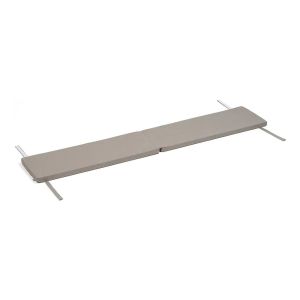
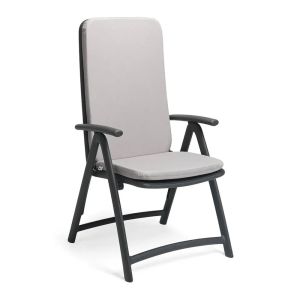
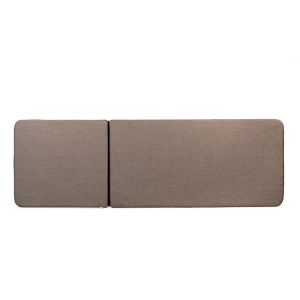
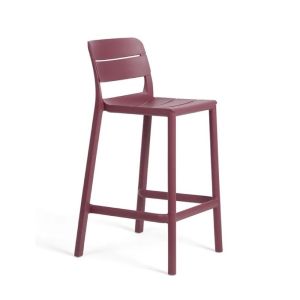
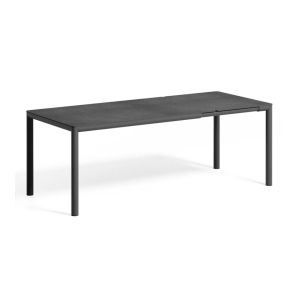
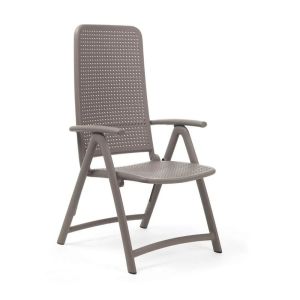
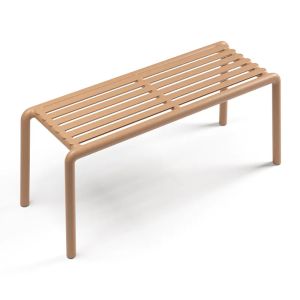


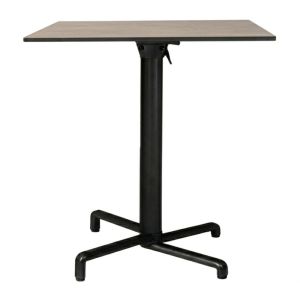



Nardi Outdoor Furniture - FAQs
-
What is CATAS certification and why does it matter for commercial buyers?
CATAS (Centro di Assistenza Tecnologica per le Aziende del Settore legno-arredo) is an independent Italian testing and certification laboratory accredited to ISO/IEC 17025 — the international standard for testing laboratory competence. When Nardi products carry CATAS certification, it means a third-party laboratory has independently tested them to EN 581 (outdoor seating and tables for contract use) and EN 15373 (indoor/outdoor seating — commercial use levels). For commercial buyers, CATAS certification provides documented proof of structural integrity under load, fatigue cycles and UV exposure — useful for insurance, procurement and fitout compliance requirements. It is not self-certification or a marketing label — it is independently audited test data.
-
What does EN 15373 Level 3 mean for Nardi chairs?
EN 15373 is a European standard for the mechanical safety and strength of non-domestic seating — covering both indoor and outdoor chairs used in commercial settings. Level 1 is residential, Level 2 covers general contract use (offices, hospitality), and Level 3 is the highest commercial level — specified for the most demanding environments including airports, stadiums and high-throughput public venues. Nardi Net and Trill chairs are CATAS-certified to EN 15373 Level 3, which means they have been independently tested to exceed the structural and fatigue requirements of the most demanding commercial seating applications. For venue buyers, Level 3 is the strongest available third-party assurance that a chair will hold up under sustained heavy commercial use.
-
What is Nardi Technopolymer and how does it differ from standard outdoor plastic?
Nardi Technopolymer is a proprietary UV-stabilised polypropylene formulation developed specifically for outdoor furniture production. Standard polypropylene degrades under UV exposure — it chalks, becomes brittle and loses colour. Technopolymer incorporates UV stabilisers into the resin compound before moulding, so the protection runs through the full thickness of the material rather than a surface coating that wears off. This means Nardi Technopolymer chairs retain their colour and structural form in sustained Australian UV, coastal salt air and summer heat without fading, cracking or requiring any treatment. It is also 100% recyclable and non-toxic, making it a preferred specification for venues with sustainability procurement requirements.
-
Is Nardi outdoor furniture UV-resistant enough for Australian conditions?
Yes. Nardi Technopolymer is specifically engineered for UV stability — the UV inhibitors are compounded into the resin, not applied as a surface coating. This means the material's UV resistance is consistent through the full thickness of each piece and does not wear off with cleaning or UV exposure over time. Australian UV intensity (UV index 11–12+ in summer across much of the country) is among the highest globally, and Nardi's independent CATAS testing covers UV weathering under sustained exposure. Nardi furniture is widely used in outdoor hospitality settings across Queensland, Western Australia and the Northern Territory — some of Australia's most UV-intense environments — without fading or structural degradation.
-
Is Nardi furniture suitable for coastal and beachside locations?
Yes. Nardi Technopolymer does not corrode in salt air — unlike steel frames, there is no metal to rust. Nardi bar stools and some table frames use powder-coated aluminium, which is also rust-proof in coastal salt-air exposure. For any outdoor furniture in a coastal environment, periodic rinsing with fresh water removes salt deposits and extends the life of powder-coat finishes and hardware. Nardi is widely specified for beachside venues, pool decks and coastal resort properties across Australia and internationally — it is a correct coastal specification for both residential beachside homes and commercial venues in salt-air environments.
-
What products does Nardi make?
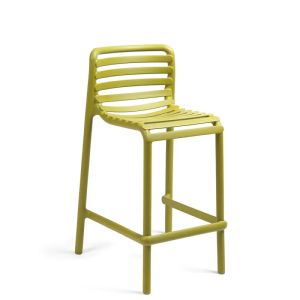
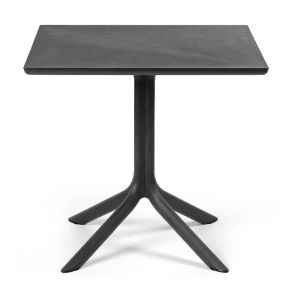
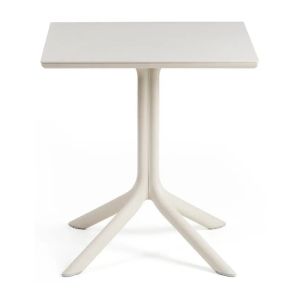
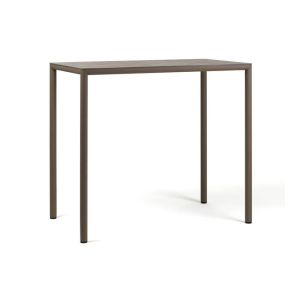
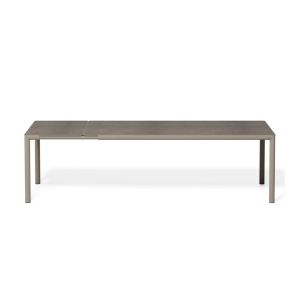
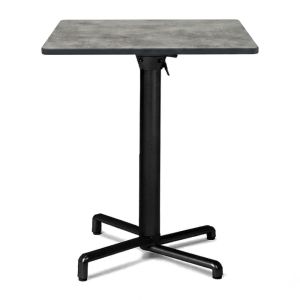
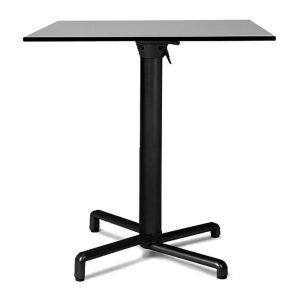
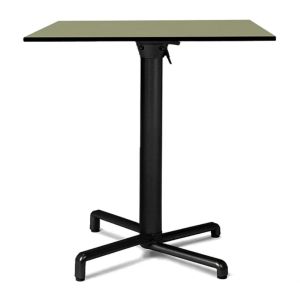
Nardi makes a full outdoor furniture range, and Cafeideas carries the commercial hospitality part of it: outdoor chairs and armchairs in the Net, Trill, Doga, Tiberina, Bora and Costa ranges, most of which stack; bar stools at 65cm and 76cm seat heights for counter and bar use; dining tables at 75 to 76.5cm including the Rio, Tevere and Alloro extendables; bar tables at 107 to 108cm; coffee and side tables; table bases and complete base and top tables; and the Komodo and Maximo modular sofa systems for terrace and poolside lounge areas.
-
How do I clean and maintain Nardi outdoor furniture?
Nardi Technopolymer furniture requires minimal maintenance. Wipe down with warm soapy water and a soft cloth — avoid abrasive cleaners or scourers that can scratch the surface. For stubborn stains, a mild non-abrasive cleaner is suitable. Nardi resin does not require oiling, sealing or painting at any point. For powder-coated aluminium frames (bar stools and some table bases), rinse periodically with fresh water in coastal environments to remove salt deposits. There is no annual treatment required — this is one of the practical advantages of resin construction over timber or standard steel in an outdoor setting.
-
Maximo Range
-
Tiberina Range
-
Cassia Range
-
Piave Range
-
Net Range
-
Folio Range
-
Alloro Range
-
Alfa & Omega Range
-
Rio Range
-
Doga Range
-
Bora & Costa Range
-
Trill Range
-
Komodo Range
-
Dining Settings
-
Tables
-
Chairs
-
Sun Loungers
-
Resin Coffee Tables
-
Nardi Cushions
-
Sofas
-
Modular Partitions
-
Accessories
-
Bar Stools
-
Regeneration Range

